
Oxidative Stress Induction Is a Rational Strategy to Enhance the Productivity of Antrodia cinnamomea Fermentations for the Antioxidant Secondary Metabolite Antrodin C
Abstract
Antioxidant metabolites contribute to alleviating oxidative stress caused by reactive oxygen species (ROS) in microorganisms. We utilized oxidative stressors such as hydrogen peroxide supplementation to increase the yield of the bioactive secondary metabolite antioxidant antrodin C in submerged fermentations of the medicinal mushroom Antrodia cinnamomea. Changes in the superoxide dismutase and catalase activities of the cells indicate that ROS are critical to promote antrodin C biosynthesis, while the ROS production inhibitor diphenyleneiodonium cancels the productivity-enhancing effects of H2O2. Transcriptomic analysis suggests that key enzymes in the mitochondrial electron transport chain are repressed during oxidative stress, leading to ROS accumulation and triggering the biosynthesis of antioxidants such as antrodin C. Accordingly, rotenone, an inhibitor of the electron transport chain complex I, mimics the antrodin C productivity-enhancing effects of H2O2. Delineating the steps connecting oxidative stress with increased antrodin C biosynthesis will facilitate the fine-tuning of strategies for rational fermentation process improvement.
Figures 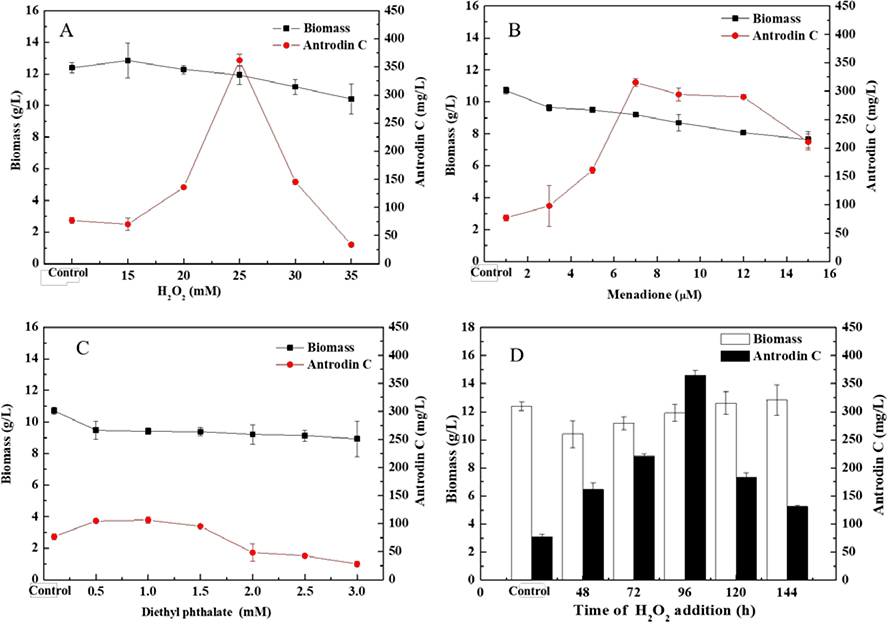
Fig 1.. Effects of oxidative stress inducers…
Fig 1.. Effects of oxidative stress inducers on the biomass accumulation and the production of…
Fig 1.. Effects of oxidative stress inducers on the biomass accumulation and the production of antrodin C in A. cinnamomea. Submerged fermentations were supplemented at 96 hr with the indicated concentrations of: a, hydrogen peroxide (H2O2); b, menadione; c, diethyl phthalate. d, Time course of the addition of 25 mM H2O2 to A. cinnamomea fermentations. Data are the mean ± SD calculated from three independent experiments.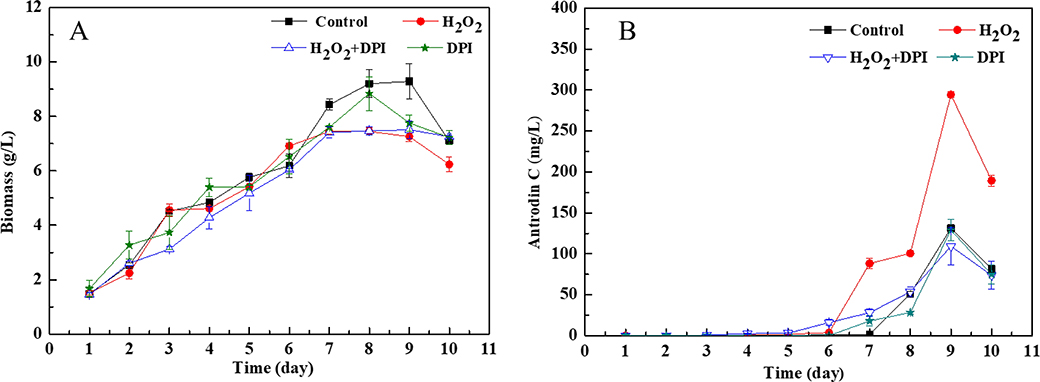
Fig 2.. Effects of H 2 O…
Fig 2.. Effects of H 2 O 2 and/or diphenyleneiodonium (DPI) on the biomass accumulation…
Fig 2.. Effects of H2O2 and/or diphenyleneiodonium (DPI) on the biomass accumulation and the production of antrodin C in A. cinnamomea. DPI (1 mM, final concentration) was added at 95 hr, while H2O2 (25 mM, final concentration) was supplemented at 96 hr. Biomass concentrations (a) and antrodin C yields (b) are shown as the mean ± SD calculated from three independent experiments.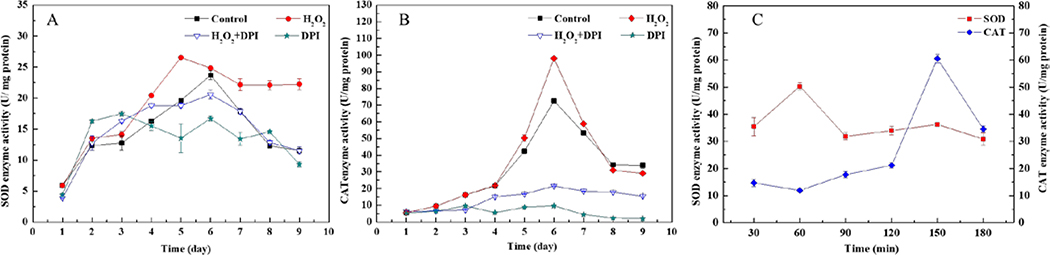
Fig 3.. Effect of H 2 O…
Fig 3.. Effect of H 2 O 2 and/or DPI on the intracellular SOD and…
Fig 3.. Effect of H2O2 and/or DPI on the intracellular SOD and CAT activities of A. cinnamomea. DPI (1 mM, final concentration) was added at 95 hr, while H2O2 (25 mM, final concentration) was supplemented at 96 hr. SOD (a) and CAT (b) activities during the full course of the A. cinnamomea fermentation, or both enzyme activities during the first 180 min following H2O2 supplementation are shown as the mean specific activity ± SD calculated from three independent experiments.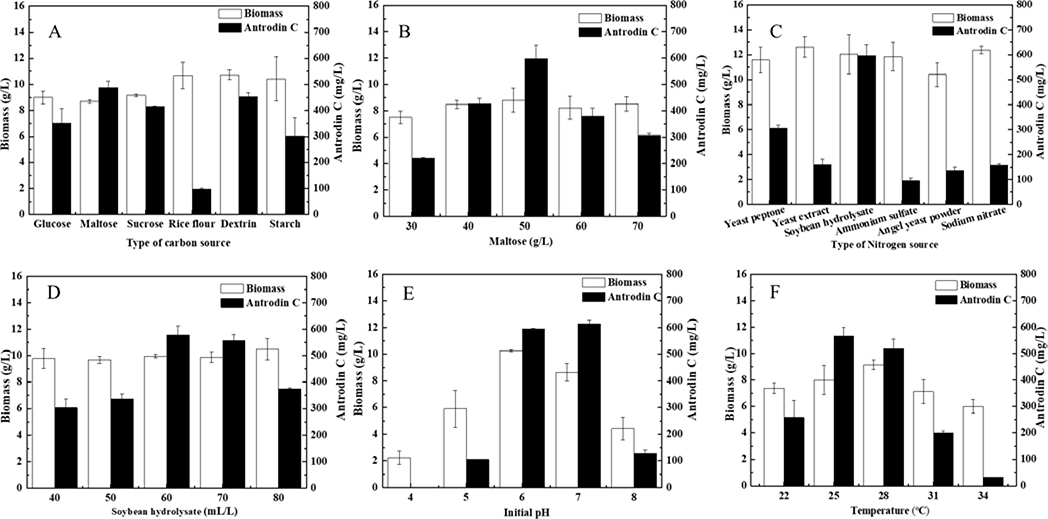
Fig 4.. Optimization of media constituents and…
Fig 4.. Optimization of media constituents and fermentation temperature during antrodin C fermentation.
A, Type…
Fig 4.. Optimization of media constituents and fermentation temperature during antrodin C fermentation. A, Type of carbon source (each at 40 g/L, respectively); B, maltose concentration; C, type of nitrogen source (each at 6 g/L, respectively); D, concentration of soybean hydrolysate; E, initial pH; F, fermentation temperature. Biomass concentrations and antrodin C yields are shown as the mean ± SD calculated from three independent experiments.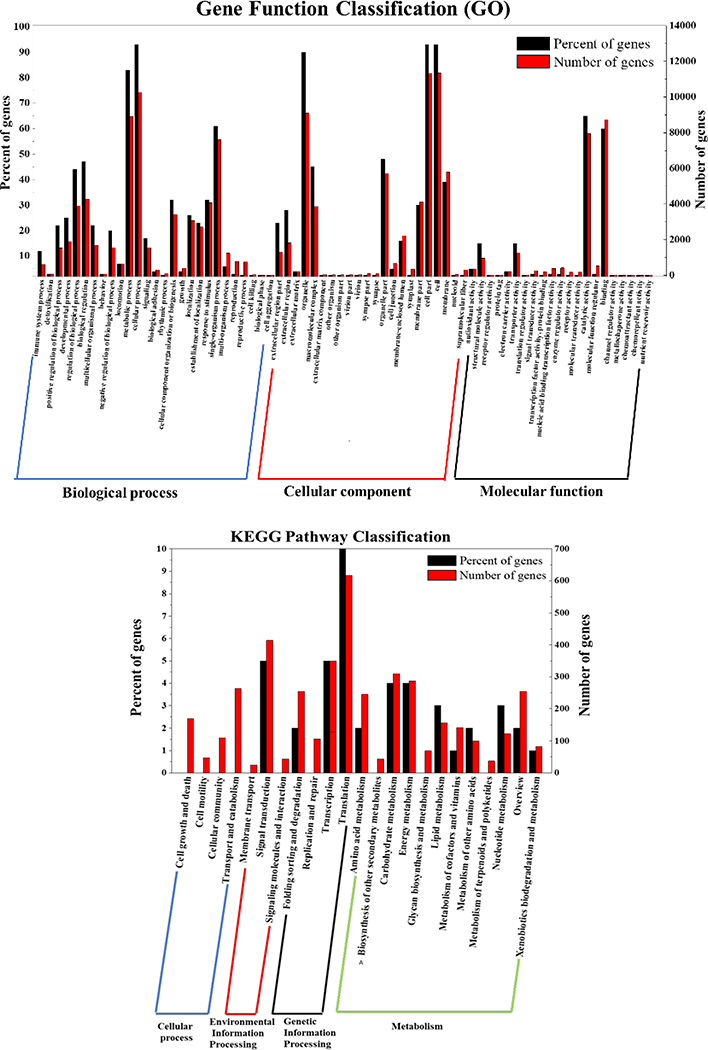
Fig 5.. Functional annotation of differentially expressed…
Fig 5.. Functional annotation of differentially expressed genes upon H 2 O 2 supplementation during…
Fig 5.. Functional annotation of differentially expressed genes upon H2O2 supplementation during A. cinnamomea fermentation. DEGs were annotated with A, Gene Onthology; B, Kyoto Encyclopedia of Genes and Genomes; and C, Eukaryotic Orthologous Groups classifications.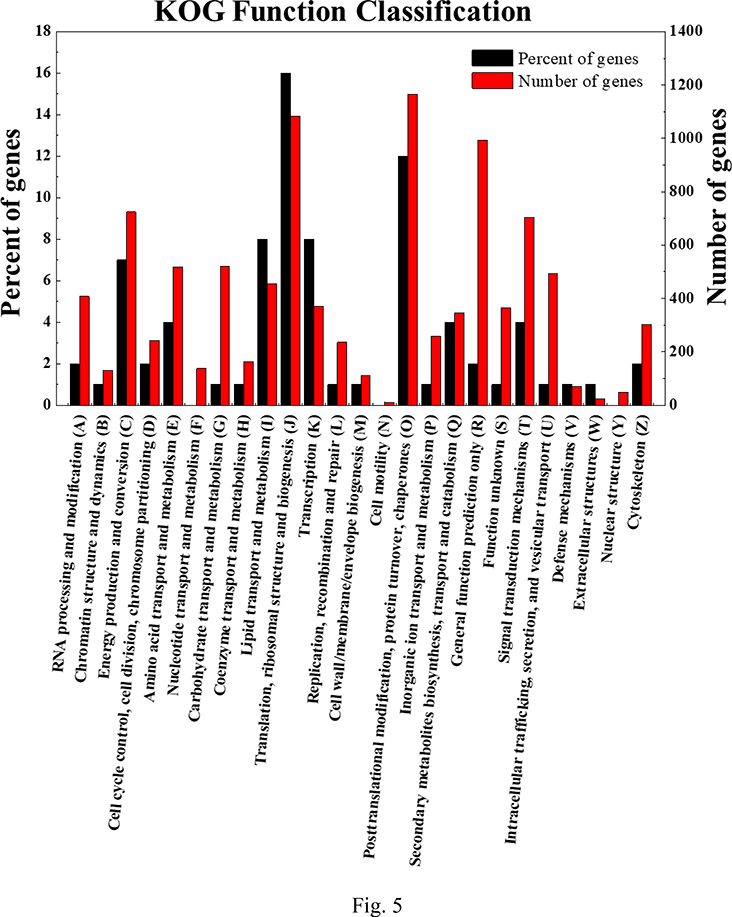
Fig 5.. Functional annotation of differentially expressed…
Fig 5.. Functional annotation of differentially expressed genes upon H 2 O 2 supplementation during…
Fig 5.. Functional annotation of differentially expressed genes upon H2O2 supplementation during A. cinnamomea fermentation. DEGs were annotated with A, Gene Onthology; B, Kyoto Encyclopedia of Genes and Genomes; and C, Eukaryotic Orthologous Groups classifications.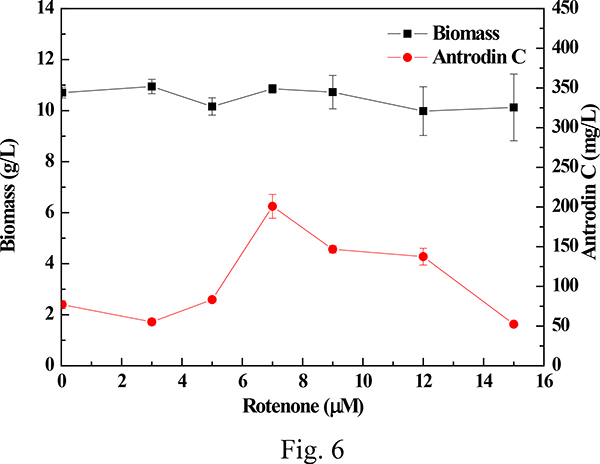
Fig 6.. Effect of rotenone on the…
Fig 6.. Effect of rotenone on the biomass accumulation and the production of antrodin C…
Fig 6.. Effect of rotenone on the biomass accumulation and the production of antrodin C in submerged fermentation of A. cinnamomea. Biomass concentrations and antrodin C yields are shown as the mean ± SD calculated from three independent experiments. All figures (7)